Myth-Busting: Are Eco-Friendly Taxis More Expensive?
Understanding Eco-Friendly Taxis
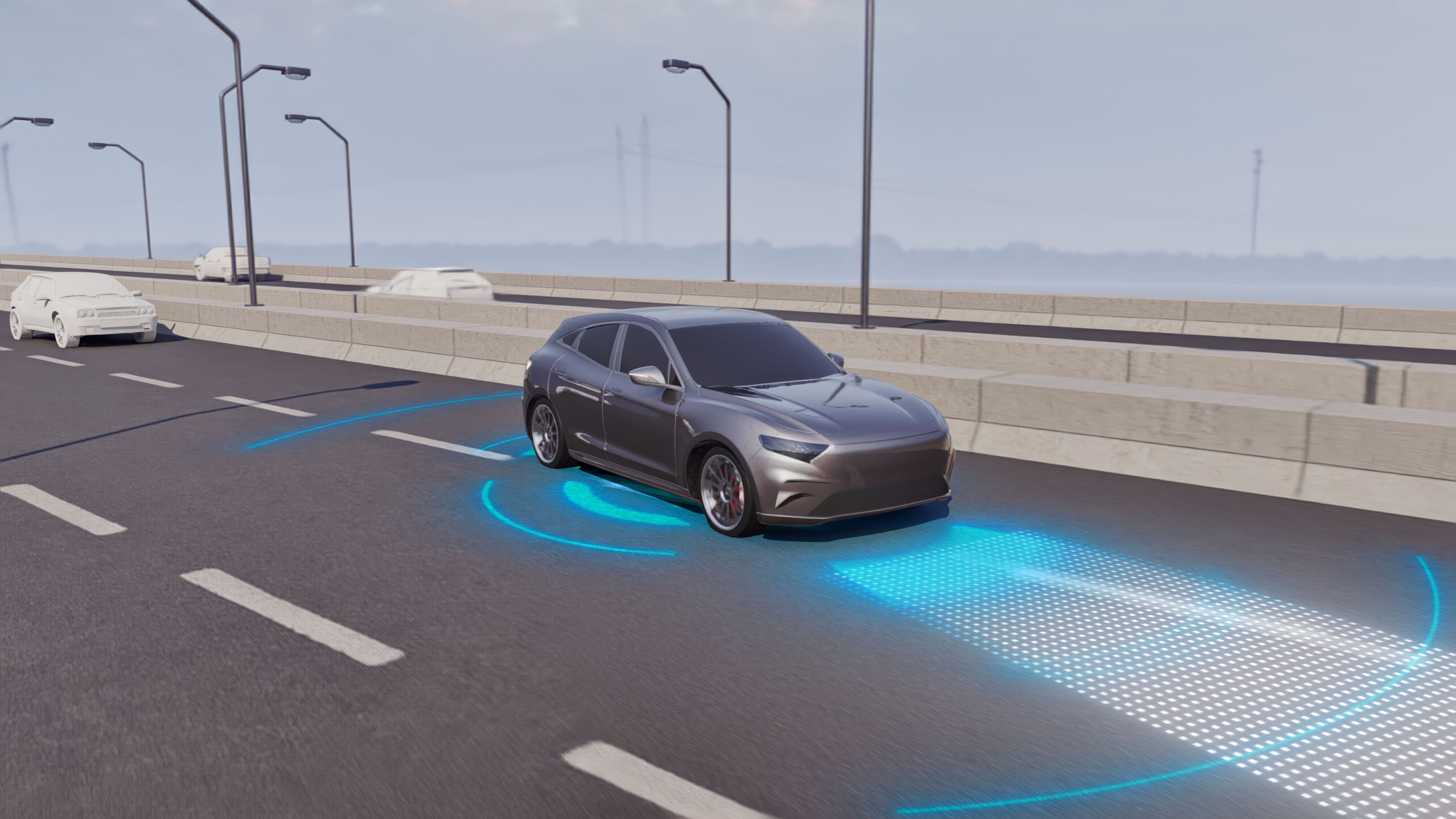
Eco-friendly taxis, often hailed as the future of urban transport, have been gaining traction worldwide. These vehicles are designed to reduce harmful emissions and foster a cleaner environment. Yet, a common perception persists that they come with a heftier price tag. But is this really the case? Let's dive into the facts and dispel some myths surrounding eco-friendly taxis.
Initial Costs vs. Long-Term Savings
One of the primary reasons people believe eco-friendly taxis are more expensive is the initial cost. While it is true that some electric and hybrid models may have a higher purchase price than traditional vehicles, this does not tell the whole story. Over time, these taxis can lead to significant savings, particularly in fuel costs. With the rising price of gasoline, electric vehicles (EVs) and hybrids offer a more economical alternative.
Moreover, maintenance costs for electric taxis are generally lower, as they have fewer moving parts compared to internal combustion engines. This means fewer visits to the mechanic and reduced service expenses over the vehicle's lifespan.
Incentives and Subsidies
Governments around the world are incentivizing the adoption of eco-friendly vehicles. These incentives can take many forms, including tax breaks, subsidies, and grants. Such financial support can substantially reduce the upfront cost, making eco-friendly taxis a more attractive option for taxi companies and drivers.

Moreover, many cities offer additional benefits such as reduced licensing fees and access to priority lanes, further enhancing the appeal of green taxis.
Environmental and Health Benefits
While the economic aspect is crucial, it's also important to consider the environmental and health benefits of eco-friendly taxis. These vehicles contribute to cleaner air by reducing emissions, which can have a positive impact on public health. Cleaner air means fewer cases of respiratory issues and other pollution-related health problems.
- Reduction in greenhouse gas emissions
- Decrease in air pollution
- Improved public health outcomes

The Role of Technology in Cost Reduction
Advancements in battery technology and increased production have been instrumental in reducing the costs associated with electric vehicles. As these technologies continue to evolve, the price gap between traditional and eco-friendly taxis is expected to narrow further. This technological progress makes it an opportune time for taxi companies to consider eco-friendly alternatives.
Additionally, ride-sharing platforms are increasingly integrating eco-friendly vehicles into their fleets, driven by consumer demand for sustainable options. This shift not only supports environmental goals but also demonstrates the growing viability of green taxis in the market.
Consumer Perception and Demand
Consumers today are more environmentally conscious than ever before. Many are willing to pay a premium for services that align with their values, including sustainable transport options. This shift in consumer preference can drive demand for eco-friendly taxis, encouraging more companies to invest in green fleets.

In conclusion, while the perception that eco-friendly taxis are more expensive persists, the reality is more nuanced. When considering long-term savings, government incentives, and environmental benefits, eco-friendly taxis present a compelling case for a sustainable future in urban transport.